How Small Senior Houses Provide More Secure, More Mindful Elderly Care
Business Name: BeeHive Homes of Granbury
Address: 1900 Acton Hwy, Granbury, TX 76049
Phone: (817) 221-8990
BeeHive Homes of Granbury
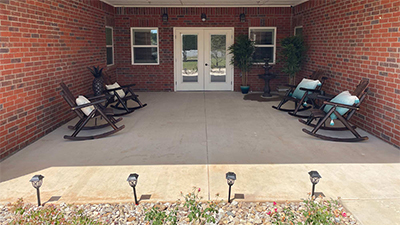
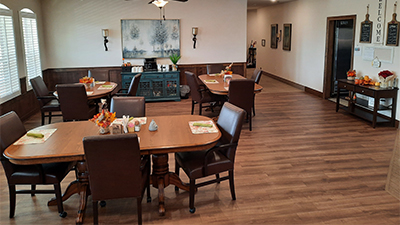
BeeHive Homes of Granbury assisted living facility is the perfect transition from an independent living facility or environment. Our elder care in Granbury, TX is designed to be smaller to create a more intimate atmosphere and to provide a family feel while our residents experience exceptional quality care. BeeHive Homes offers 24-hour caregiver support, private bedrooms and baths, medication monitoring, fantastic home-cooked dietitian-approved meals, housekeeping and laundry services. We also encourage participation in social activities, daily physical and mental exercise opportunities. We invite you to come and visit our assisted living home and feel what truly makes us the next best place to home.
1900 Acton Hwy, Granbury, TX 76049
Business Hours
Families typically begin thinking seriously about senior care after a scare. A fall. A medication blend. A baffled nighttime roam. I have actually sat at kitchen tables with children, sons, and spouses who believed they were only a year or 2 far from requiring help, then unexpectedly realized the timeline had already arrived.
What lots of do not understand in the beginning is how various one assisted living setting can be from another. On paper, two neighborhoods can provide the exact same services and fulfill the exact same guidelines, yet the daily experience for an older grownup can feel entirely different. One of the most essential differences is size.
Smaller senior houses, typically called residential care homes, board and care homes, or store assisted living, seldom spend cash on glossy marketing. They sit quietly in areas, in some cases accredited for 6 to 20 citizens, in some cases a little bigger but still intimate. Over the years, I have viewed lots of households discover, often with relief, that these smaller homes can deliver more secure and more mindful elderly care than very large centers, specifically for those who are frail, nervous, or quickly overwhelmed.
assisted living
This is not a universal rule. Huge neighborhoods have their strengths too. But the structural advantages of small houses are really real, and worth understanding before you choose a setting for someone you love.
What "Small" Truly Means in Senior Care
There is no single legal meaning of a small senior house. The terminology and licensing categories vary by state or country, however in practice, "small" typically suggests a few things at once.
The building itself often looks like a big home instead of an institution. Corridors are shorter. Dining-room and living rooms are shared by everybody. Personnel can stand in one area and see or hear the majority of what is happening.
The variety of locals stays low. A common residential care home in the United States might care for 6 to 10 people. Some increase to 16 or 20 and still function as a tight-knit community. Once the census creeps above 40 or 50 citizens, it becomes extremely tough to maintain the same level of day to day familiarity.
Staffing patterns focus on generalists instead of silos. In a big assisted living complex, the caretaker helping Mom dress in the early morning might never ever when enter the kitchen. In a small home, the aide who helps with bathing may also carry in groceries, set the table, or sit to share a cup of tea after lunch. That overlap matters for security and psychological security.
So when we speak about small senior homes, we are really explaining a cluster of functions. Modest size. Home like layout. Limited resident count. Overlapping staff roles. These structural options directly influence how securely and diligently elderly care can be delivered.

Visibility, Distance, and Real Time Awareness
One of the greatest safety benefits of a small home is easy presence. Not the video monitoring kind, however the direct human sort.
In a multi story structure with long passages, a resident can go into a space, close a door, and remain hidden for hours unless staff are fanatical about rounds. Even diligent caregivers can deal with this, because the physical environment works against them. You can only remain in one hallway at a time.
In compact residences, the reverse holds true. Staff regularly inform me, "If Mr. G does not come into the cooking area by 8:30, we just go check on him. He is always here by then." The structure layout allows caregivers to discover subtle modifications that would vanish in a larger area: a resident skipping her normal card game, another gazing at his plate when he generally consumes with enthusiasm, somebody suddenly needing the wall for assistance en route to the bathroom.
Those small variances are frequently the first tips of a urinary tract infection, a medication negative effects, a developing depression, or an early breathing illness. Catching them early is one of the most efficient ways to keep older adults out of emergency situation rooms.
In my experience, 3 practical characteristics make this possible in small senior homes:
- Staff do not need to walk half a mile of corridors to examine somebody. The time cost of frequent check ins is lower, so the checks actually happen.
- There are fewer citizens to track psychologically. When a caregiver is responsible for 5 or 6 people rather of 15 or 20, they can carry a clearer "baseline" picture of each person in their head.
- Shared spaces are genuinely shared. A small dining room or living space draws most locals together often times a day, where they are informally observed without it feeling clinical.
This type of real time awareness is a foundation for safer assisted living, whether somebody is there for long term senior care or short term respite care.
Staff Ratios and What They Really Mean
Families often ask, "What is your personnel to resident ratio?" It appears like an unbiased measure. In practice, it is only part of the story, and it is often utilized as a marketing talking point instead of a meaningful indicator.
In a small home, a 1 to 4 or 1 to 6 daytime ratio is not unusual. At night it may be 1 to 6 or 1 to 10, often with a staff member sleeping on website but quickly obtainable. On paper, a larger assisted living facility may quote comparable ratios, specifically during the day.
Where small homes pull ahead is not just in numbers, but in how the work flows.
In bigger buildings, caretakers spend a noticeable part of each shift strolling in between distant rooms, awaiting elevators, addressing call lights at the back of the passage, or locating supplies from a central storage area. The ratio might look excellent, however a surprising quantity of personnel time evaporates into logistics.
By contrast, in a house with ten individuals under one roof and a single hallway, caregivers can put more of their energy into direct elderly care: actual hands on help, discussion, guidance, cueing, and peace of mind. They are physically closer to the citizens who need them.
There is likewise less churn of unfamiliar faces. Turnover in senior care is high all over, however small homes typically maintain a core group of long term staff. When you just have a lots people on the whole payroll, every departure harms. Owners and managers understand this and tend to invest more time in employing thoroughly and supporting employees so they stay.
That continuity is not just pleasant. It is more secure. A caretaker who has actually known Mrs. L for 3 years will observe the distinction in between her normal moderate forgetfulness and an abrupt, more serious confusion. A brand-new hire who just fulfilled her yesterday might not capture it.
Care Jobs Do Not Get "Lost" as Easily
One of the peaceful failures in big settings is the missed small task. Not the big things like medication shipment, which typically have multiple checks, but all the little assistances that keep an older adult stable.
The compression of area and regimens in a small residence makes it simpler to get those things right.
If you serve breakfast at one long table and pour coffee for each person yourself, you immediately see that Mrs. K has actually hardly touched her food for three days. If laundry is carried out in a single on site washer and clothes dryer, the caretaker folding clothing will see that Mr. R has started having more nighttime accidents.
Because lots of jobs flow through the exact same couple of hands, patterns end up being visible. There is less fragmentation. The exact same person who helps a resident shower may also assist with dressing, see the state of the closet, notice whether dentures are in or out, and later enjoy how that resident browses the dining-room. Tiny ideas that something is altering collect in one person's awareness rather of being spread throughout five various staff roles.
This is especially essential for residents with complicated persistent conditions. Someone with Parkinson's illness, for instance, may require modifications in medication timing based upon how they move throughout the day. A small group that sees those variations up close can share observations with the nurse or physician much more effectively.
Emotional Safety and the Pace of Daily Life
Safety is not practically falls and medications. Emotional security matters simply as much, particularly for individuals dealing with dementia, anxiety, or sensory overload.
Large structures can be hectic, brilliant, and loud. Hallways filled with strangers, overhead statements, big dining rooms clattering with dishes, and constantly altering staff can all produce low grade stress. Some individuals flourish on that energy. Lots of others shut down or become agitated.
Smaller senior houses naturally run at a calmer speed. There are less individuals walking around, less background sound, and more chance for real, unhurried interactions. When you walk into an excellent small home at 10:30 in the morning, you typically see a handful of locals at the kitchen area table talking with a caregiver, someone dozing in an armchair, music playing gently in the background. The environment feels more like a household home than an institution.
That psychological tone supports much better results in several ways:
Residents with amnesia are less likely to become overloaded or afraid. They discover the layout quickly and acknowledge the very same couple of faces.
Loneliness is more difficult to hide. With only eight or 10 homeowners, it is obvious when somebody is withdrawing, and staff have more bandwidth to sit for ten minutes and draw them out.
Behavioral concerns, like agitation or wandering, can frequently be managed with reassurance and routine instead of medication. Familiar environments and predictable rhythms are potent tools in elderly care.
I remember a lady with moderate dementia who had bounced between two large assisted living communities in under a year. She grew increasingly paranoid, kept attempting to go "home," and was near the point where her family was being informed she required a locked memory care unit. After relocating to a small residential home with simply six other locals, her behavior settled within weeks. Personnel could gently reroute her by stating, "Let us stroll to your space together," and because the hallway was brief and identifiable, she accepted the hint. Her requirement for antipsychotic medication dropped, and so did her danger of falls.
How Small Homes Manage Medical and Behavioral Complexity
It is important not to glamorize small homes. They have limits, and a responsible operator will be honest about them.
Unlike competent nursing facilities, the majority of small assisted living homes are not geared up to deal with citizens who require constant knowledgeable nursing, feeding tubes, regular injections that require a nurse, or very unsteady medical conditions. Laws differ by jurisdiction, however in general, residential care homes are created for people who require assist with day-to-day activities, not extensive medical treatment.
That stated, numerous small homes excel at supporting locals with moderate medical or behavioral complexity, as long as they can work carefully with outdoors clinicians. For example:
An older adult managing diabetes may benefit from constant meal timing, close tracking of hunger, and prompt reporting of blood sugar level patterns to a checking out nurse practitioner.
Someone with moderate to moderate dementia might do much better in a small, foreseeable environment, where personnel can customize cues and routines to their particular history and preferences.
A frail senior with multiple medications may be more secure when a couple of familiar caregivers coordinate straight with the primary care medical professional, rather than a rotating cast of personnel passing messages through several layers.
Where I see problems is when households or referral sources deal with a small home as a last option for residents with severe aggressiveness or very intricate conditions that in fact go beyond the home's scope. A great operator will know when constant supervision by certified nurses or specialized behavioral personnel is essential. Pressing beyond those limits jeopardizes both security and staff morale.
When you assess a small home, it is reasonable to request for concrete examples of the type of residents they look after effectively, and where they fix a limit. Their responses should consist of both what they can do and what they cannot.
The Function of Respite Care in Evaluating the Fit
One of the most powerful tools families overlook is respite care. A brief stay of a week or a month can serve two purposes simultaneously. It gives the primary caretaker a break, and it supplies a real world test of how well a particular setting fits the older adult.
Small senior houses are particularly well matched to respite stays due to the fact that they can incorporate a beginner rapidly into day-to-day regimens. There are fewer names to learn, fewer rooms to get lost in, and a core group of caregivers who exist across numerous shifts.
I frequently recommend that households considering a move from home to assisted living organize a preliminary respite period in a small home when possible. It enables concerns like these to be responded to with direct experience rather of guesswork:
Does your loved one consume much better in a family design dining setting?
Do they react well to the quieter rhythm and closer relationships?
Are personnel able to handle particular care tasks such as transfers, toileting, or dementia associated behaviors safely?
If the answer to the majority of those questions is yes, then transitioning to irreversible home often feels less like a wrenching modification and more like continuing a relationship that currently exists.
Comparing Small Residences with Larger Communities
There is no universal "finest" setting, only better and worse matches for particular people at particular times. It can help to believe in regards to fit criteria rather than absolutes.
Here is a simple, high level contrast that reflects patterns I have seen consistently:
|Aspect|Small senior home|Bigger assisted living neighborhood|| --------------------------------|----------------------------------------------------------|--------------------------------------------------------------------|| Daily oversight|High, individual, continuous visibility|Variable, depends greatly on staffing and building layout|| Social environment|Intimate, familiar faces, lower stimulation|Broader mix of individuals and activities, greater stimulation|| Activities and facilities|Basic, home based, more customized|Broader activity calendar, more official amenities|| Staff connection|Fewer staff, more long term relationships|More staff, greater turnover, less individual continuity|| Capability to soak up higher needs|Frequently strong up to a point, then must refer in other places|Often more able to layer in services, however depends on resources|
When I sit with households, I typically frame the choice by doing this: If you had ten to fifteen years of older adult life ahead of you and were still reasonably independent, a larger community with lots of activities and peer groups may appeal. If you are currently handling significant frailty, memory loss, or anxiety, the safety and attention of a smaller environment typically ends up being even more crucial than a huge activity calendar.
How Small Residences Deal with Families
One of the clearest distinctions households notice in small homes is the ease of communication.
You do not have to navigate a hierarchy of receptionists, department heads, and voicemail boxes. You normally have a direct line to the owner or supervisor, and staff members know you by name. When you call to ask how Dad is doing, the individual responding to the phone has most likely seen him within the last hour.
This tight loop makes it easier to react rapidly when something modifications. For instance, if a resident starts refusing a specific medication due to nausea, caretakers can notify the family and physician the exact same day, often with particular observations: "She appears fine an hour after breakfast, however around 11 she turns pale and holds her stomach." That level of detail supports faster, more precise adjustments.
Family involvement also tends to incorporate more naturally into everyday life. Coming by with a preferred dessert, attending a small holiday gathering, sitting at the cooking area table throughout a visit - these are basic gestures, however they enhance a sense of connection between "home" and "care home" that many senior citizens need.
There are trade offs. Some small homes have less formal household education shows or support groups, especially compared to large senior care service providers that operate numerous schools. If you desire structured classes on dementia or caretaker stress, you may require to seek them through community organizations or health systems. What you acquire instead is customized, informal guidance from staff who know your relative incredibly well.
Recognizing Quality in a Small Senior Residence
Not every small home is great, and scale alone does not guarantee safety or attentiveness. I have strolled into stunning houses that felt tense and messy, and modest settings that provided extremely high quality elderly care.
When you visit or investigate a small residence, consider a short checklist of concerns that surpass decoration and pamphlets:
- Do personnel seem genuinely calm and calm, or do they look frantic even with a small number of residents?
- Can caretakers describe each resident's regimens, choices, and medical concerns without constantly checking charts?
- Is the physical environment organized so that residents can browse easily, with clear courses, available bathrooms, and very little clutter?
- How are graveyard shift staffed, and what specific systems are in location for keeping an eye on residents between night and morning?
- When you ask about a current incident - a fall, a disease - can the operator explain what they learned and what altered afterward?
The objective is to understand not just how the home searches an excellent day, however how it reacts when something goes wrong. Every care setting has falls, illnesses, and tough behaviors. The distinction between typical and excellent senior care is what takes place after those events.
When a Small Residence Is Not the Right Choice
Honesty about limitations becomes part of professionalism in elderly care. There are real scenarios where a small home, even a great one, is not the best answer.
If someone requires constant monitoring by certified nurses, regular intravenous medications, or highly technical interventions, a proficient nursing center or medical facility based program is more appropriate.
If a resident has incredibly unforeseeable or violent habits that put others at risk, they may require a specialized behavioral health setting with personnel trained and staffed particularly for that intensity of need.
If an older grownup is uncommonly extroverted and deeply attached to group activities, clubs, and big gatherings, a small residential home might feel confining or lonely, even if staff are kind and attentive.
Finally, budget plans matter. Small homes sit at lots of price points, however in some markets, highly personalized assisted living in a small house can cost as much as or more than a large community. Other times it is the more economical option. Families need to weigh financial sustainability alongside quality.
The key is to match environment, requires, and resources as reasonably as possible, not to chase after an idealized picture of care.
Bringing Everything Together
After years of walking households through options, I have concerned see small senior houses as one of the most underappreciated alternatives in the continuum of senior care. They do not suit every person or every phase of illness, however when they are well run and attentively matched, they provide an uncommon mix: security rooted in proximity and familiarity, and listening developed into every day life instead of layered on as an extra.
Whether you are thinking about long term assisted living or short-term respite care, it deserves stepping beyond the large, branded neighborhoods and visiting a couple of small homes tucked into residential communities. Listen not only to the marketing pitch, but to the noises in the background, the rhythm of the day, the method homeowners react when a caregiver walks into the room.
The technical parts of care - medication management, bathing assistance, fall avoidance methods - matter a good deal. Yet in practice, the most powerful protectors of an older grownup's security are often a familiar voice, a careful eye at the ideal moment, and an everyday environment developed on a human scale. Small senior residences, when they are succeeded, excel at offering exactly that.
BeeHive Homes of Granbury provides assisted living care
BeeHive Homes of Granbury provides memory care services
BeeHive Homes of Granbury provides respite care services
BeeHive Homes of Granbury supports assistance with bathing and grooming
BeeHive Homes of Granbury offers private bedrooms with private bathrooms
BeeHive Homes of Granbury provides medication monitoring and documentation
BeeHive Homes of Granbury serves dietitian-approved meals
BeeHive Homes of Granbury provides housekeeping services
BeeHive Homes of Granbury provides laundry services
BeeHive Homes of Granbury offers community dining and social engagement activities
BeeHive Homes of Granbury features life enrichment activities
BeeHive Homes of Granbury supports personal care assistance during meals and daily routines
BeeHive Homes of Granbury promotes frequent physical and mental exercise opportunities
BeeHive Homes of Granbury provides a home-like residential environment
BeeHive Homes of Granbury creates customized care plans as residents’ needs change
BeeHive Homes of Granbury assesses individual resident care needs
BeeHive Homes of Granbury accepts private pay and long-term care insurance
BeeHive Homes of Granbury assists qualified veterans with Aid and Attendance benefits
BeeHive Homes of Granbury encourages meaningful resident-to-staff relationships
BeeHive Homes of Granbury delivers compassionate, attentive senior care focused on dignity and comfort
BeeHive Homes of Granbury has a phone number of (817) 221-8990
BeeHive Homes of Granbury has an address of 1900 Acton Hwy, Granbury, TX 76049
BeeHive Homes of Granbury has a website https://beehivehomes.com/locations/granbury/
BeeHive Homes of Granbury has Google Maps listing https://maps.app.goo.gl/xVVgS7RdaV57HSLu9
BeeHive Homes of Granbury has Facebook page https://www.facebook.com/BeeHiveHomesGranbury
BeeHive Homes of Granbury has an YouTube page https://www.youtube.com/@WelcomeHomeBeeHiveHomes
BeeHive Homes of Granbury won Top Assisted Living Homes 2025
BeeHive Homes of Granbury earned Best Customer Service Award 2024
BeeHive Homes of Granbury placed 1st for Senior Living Communities 2025
People Also Ask about BeeHive Homes of Granbury
What is BeeHive Homes of Granbury Living monthly room rate?
The rate depends on the level of care that is needed. We do an initial evaluation for each potential resident to determine the level of care needed. The monthly rate is based on this evaluation. There are no hidden costs or fees
Can residents stay in BeeHive Homes until the end of their life?
Usually yes. There are exceptions, such as when there are safety issues with the resident, or they need 24 hour skilled nursing services
Do we have a nurse on staff?
No, but each BeeHive Home has a consulting Nurse available 24 – 7. if nursing services are needed, a doctor can order home health to come into the home
What are BeeHive Homes’ visiting hours?
Visiting hours are adjusted to accommodate the families and the resident’s needs… just not too early or too late
Do we have couple’s rooms available?
Yes, each home has rooms designed to accommodate couples. Please ask about the availability of these rooms
Where is BeeHive Homes of Granbury located?
BeeHive Homes of Granbury is conveniently located at 1900 Acton Hwy, Granbury, TX 76049. You can easily find directions on Google Maps or call at (817) 221-8990 Monday through Sunday 9:00am to 5:00pm
How can I contact BeeHive Homes of Granbury?
You can contact BeeHive Homes of Granbury by phone at: (817) 221-8990, visit their website at https://beehivehomes.com/locations/granbury/, or connect on social media via Facebook or YouTube
Conveniently located near Beehive Homes of Granbury Cinergy Cinemas a great movie theater with full food & drink menu. Catch a movie and enjoy some great food while you wait.